REDENTORA (REDEEMER)
Gonzalo Borondo
Spain
From 12 to 14 March
From 7.30pm to midnight
Physical accessibility will be linked to the accessibility of the public square.
Viewers are informed that the show contains flashing lights that may cause difficulties for photosensitive people.
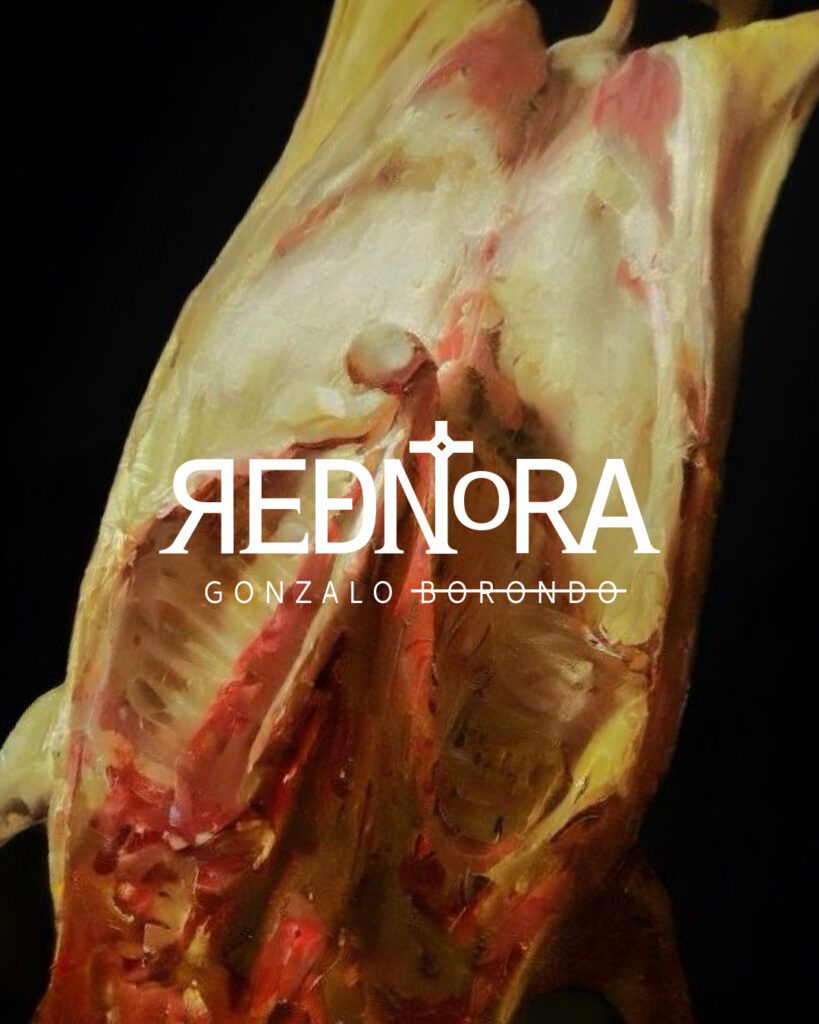
In a civilisation that conceals the death upon which it walks, what can we do about the violence that we choose not to see? Gonzalo Borondo creates a site-specific installation for its location in the Pico del Pañuelo colony, which was home to the workers of Madrid’s former municipal slaughterhouse. The artist recreates a giant zoetrope—a pre-film toy that generates the illusion of movement from images on a rotating cylinder—and sets animal victims and their executioners, the slaughterers, spinning around. It’s a work that reclaims the memory of this urban landscape and reflects on ritual as a tool for the community.
* INSTALLATION SPECIFICALLY DESIGNED FOR LUZMADRID 2026
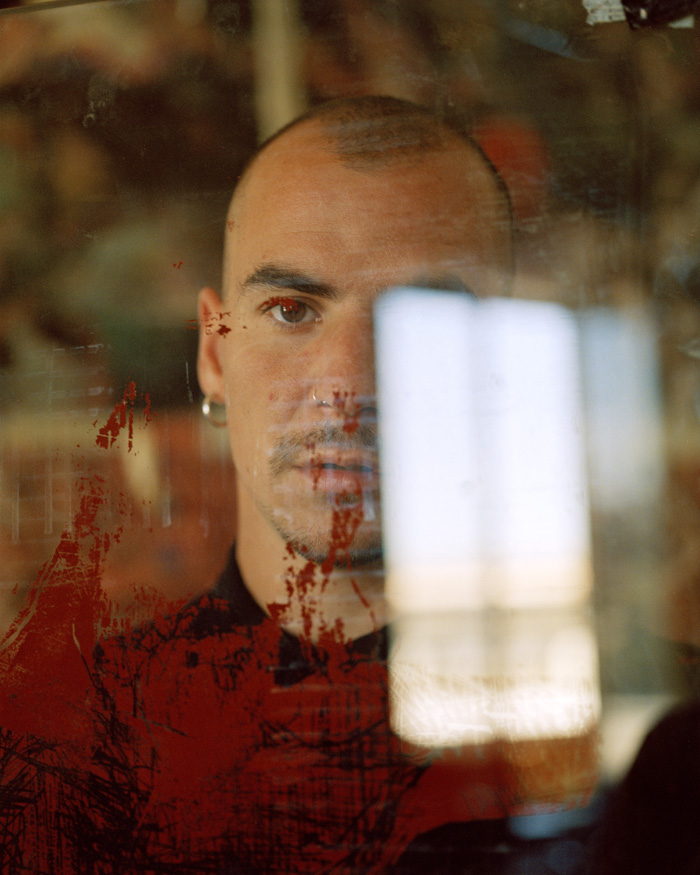
Gonzalo Borondo is a multimedia artist who divides his time between Spain and Italy. His artistic practice focuses on memory, tradition and the meaning of places, involving site-specific interventions in our artistic and symbolic heritage which touch on the value of public space. His work has been presented internationally at festivals, museums and in unconventional spaces. Since 2023, he has been a member of the Academy of History and Art of San Quirce.
REDENTORA (REDEEMER) A project by Gonzalo Borondo
Sound space: El Niño de Elche
Texts: Ángela Segovia
Digital Producer: Pietro Melchionda
Photography: Sergio Pradana
Video: Matteo Berardone
Communications: Cultproject
Design and construction of Redeemer machine: area-lab
LED installation: Insight luz y control
Construction of metal structure: Estudio Borondo
Engineering partner: Think Engineering
Artistic Assistant: Claudia Rodríguez
Technical Director: Eduardo Vicente
Project Manager: Gina Aguiar
Acknowledgements: Sostemplas, 56fili, Julián Segovia, Fernando Gutiérrez, Reciclearte, Peroni, Serviescenic, Visornets, Cristalerías Mavi, Rojo soluciones mecánicas, Hijo de Ciriaco Sánchez, Alu-Stock, Curval
Location
Glorieta de San Víctor, in the Pico del Pañuelo neighbourhood of the Arganzuela district, was built in 1927 to house local workers, especially those connected to the old slaughterhouse. The square is the focal point of a small-scale workers’ housing complex, and fosters community life in the neighbourhood. Its layout and architecture preserve the memory of an urban style with ties to work, proximity and cultural identity.
Sponsor

With the collaboration of